Blog posts

2026

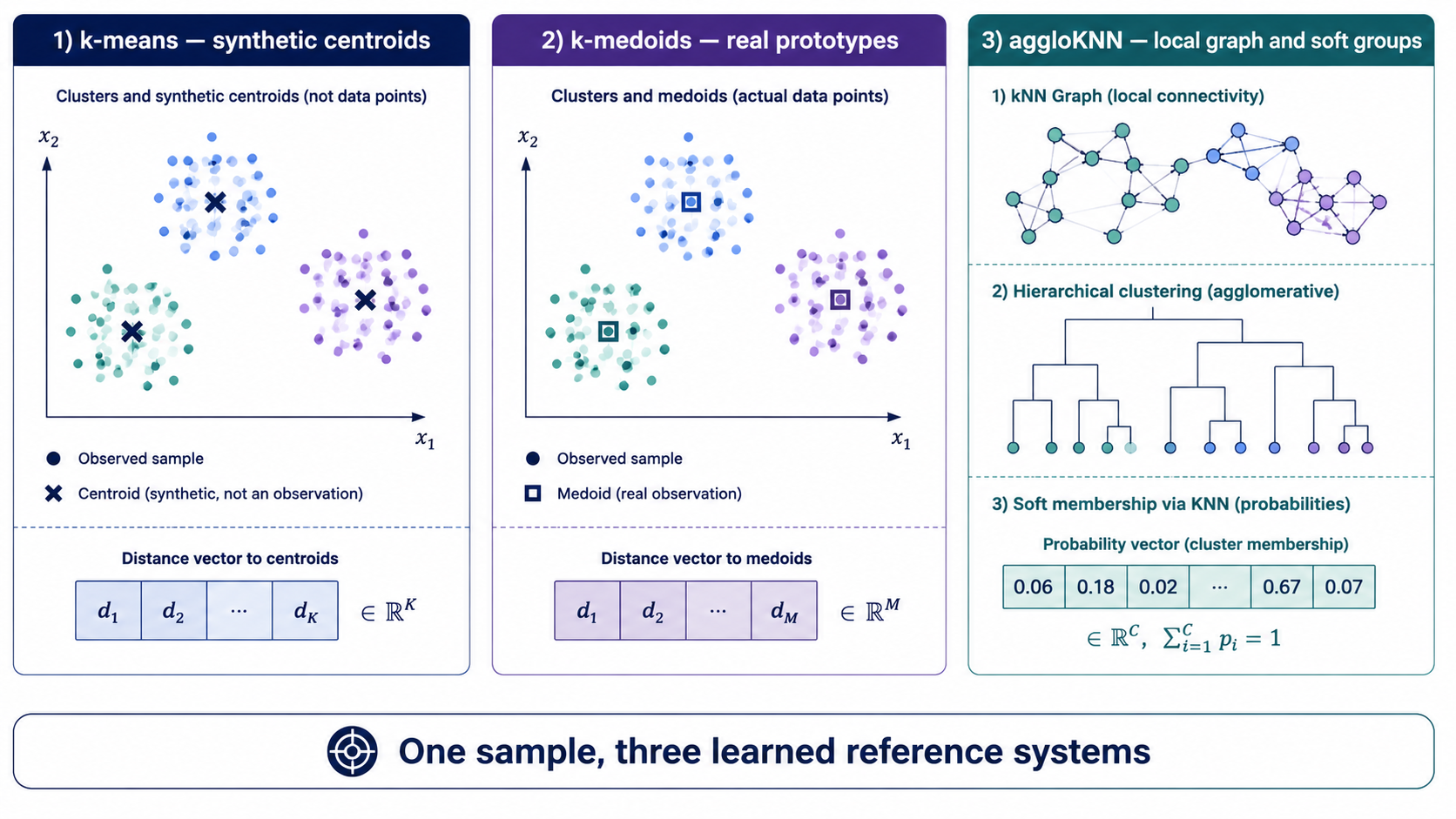
Part 2 — Distance-Based Encodings in TINTOlib: k-Means, k-Medoids and aggloKNN

Part 2 — Distance-Based Encodings in TINTOlib: k-Means, k-Medoids and aggloKNN

17 minuto de lectura

Actualizado:

Learn how k-means, k-medoids and aggloKNN convert relationships between tabular samples into grayscale synthetic images, including distance metrics, reference ordering and RBF smoothing.
More information
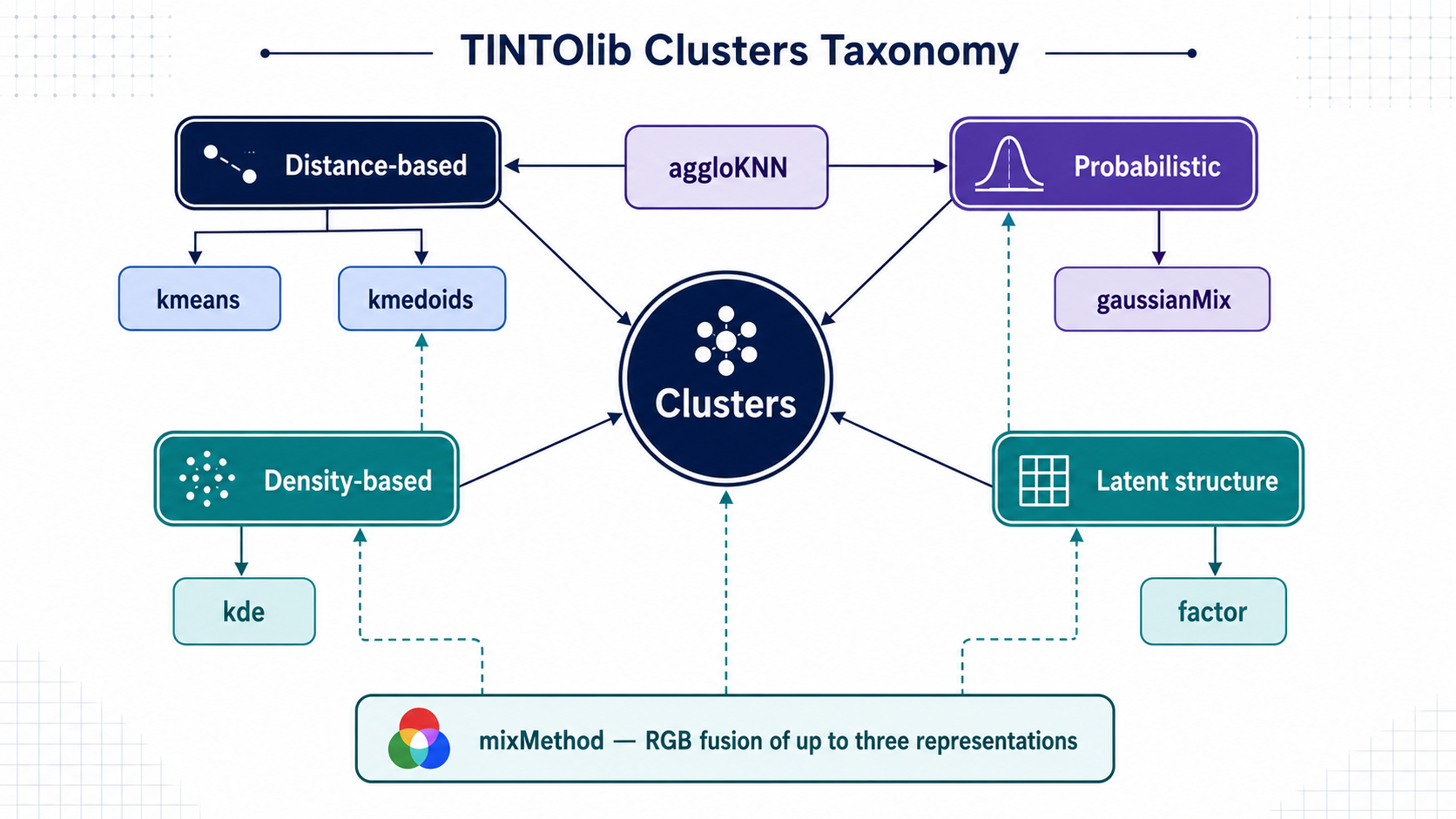
Part 1 - From Clusters to Pixels: Unsupervised Synthetic Image Generation in TINTOlib

Part 1 - From Clusters to Pixels: Unsupervised Synthetic Image Generation in TINTOlib

18 minuto de lectura

Actualizado:

Learn how the new TINTOlib Clusters method converts distances, membership probabilities, density estimates and latent factors into synthetic images for vision-based deep learning.

More information
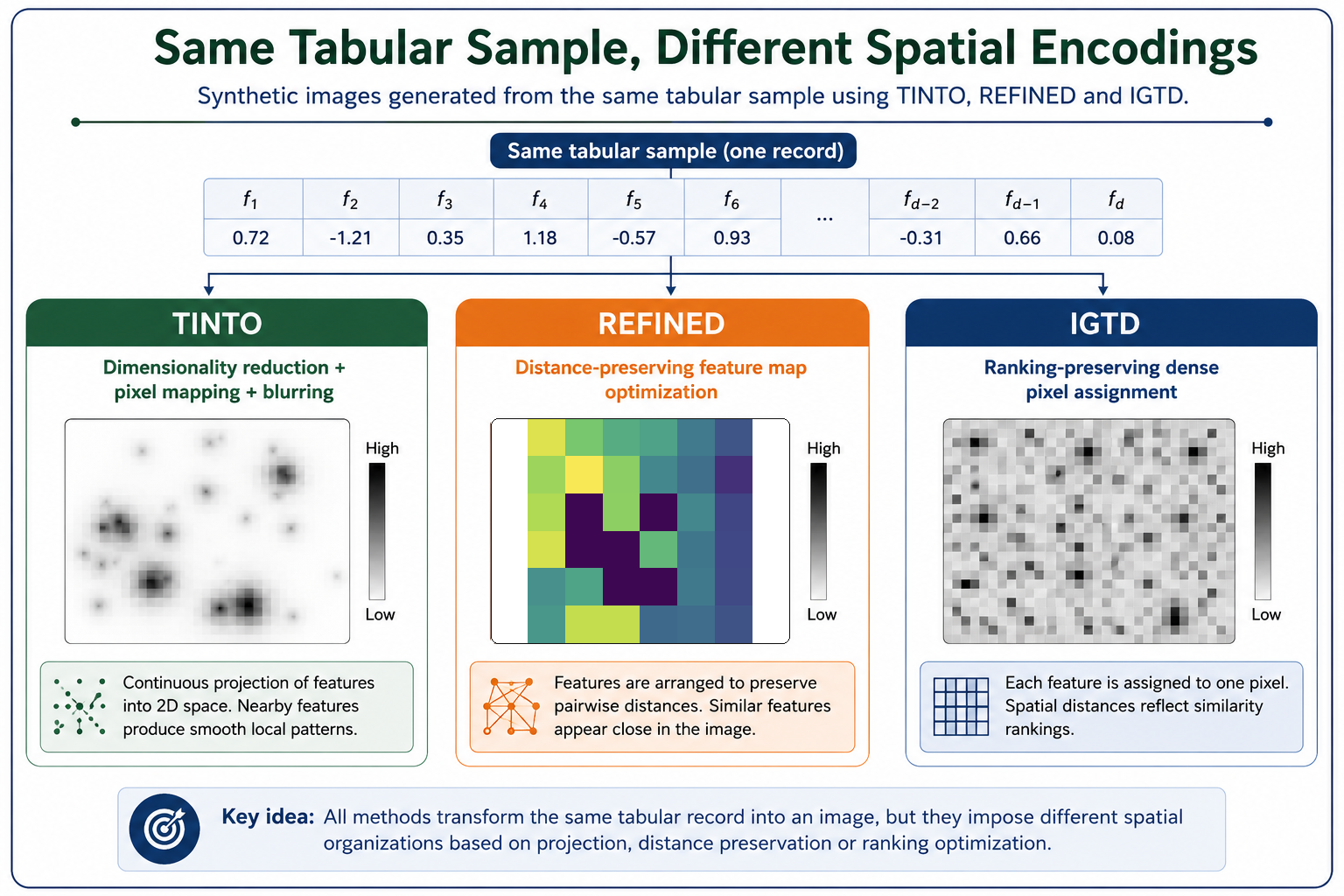
TINTO vs REFINED vs IGTD: Comparing Tabular-to-Image Methods in TINTOlib

TINTO vs REFINED vs IGTD: Comparing Tabular-to-Image Methods in TINTOlib

18 minuto de lectura

Actualizado:

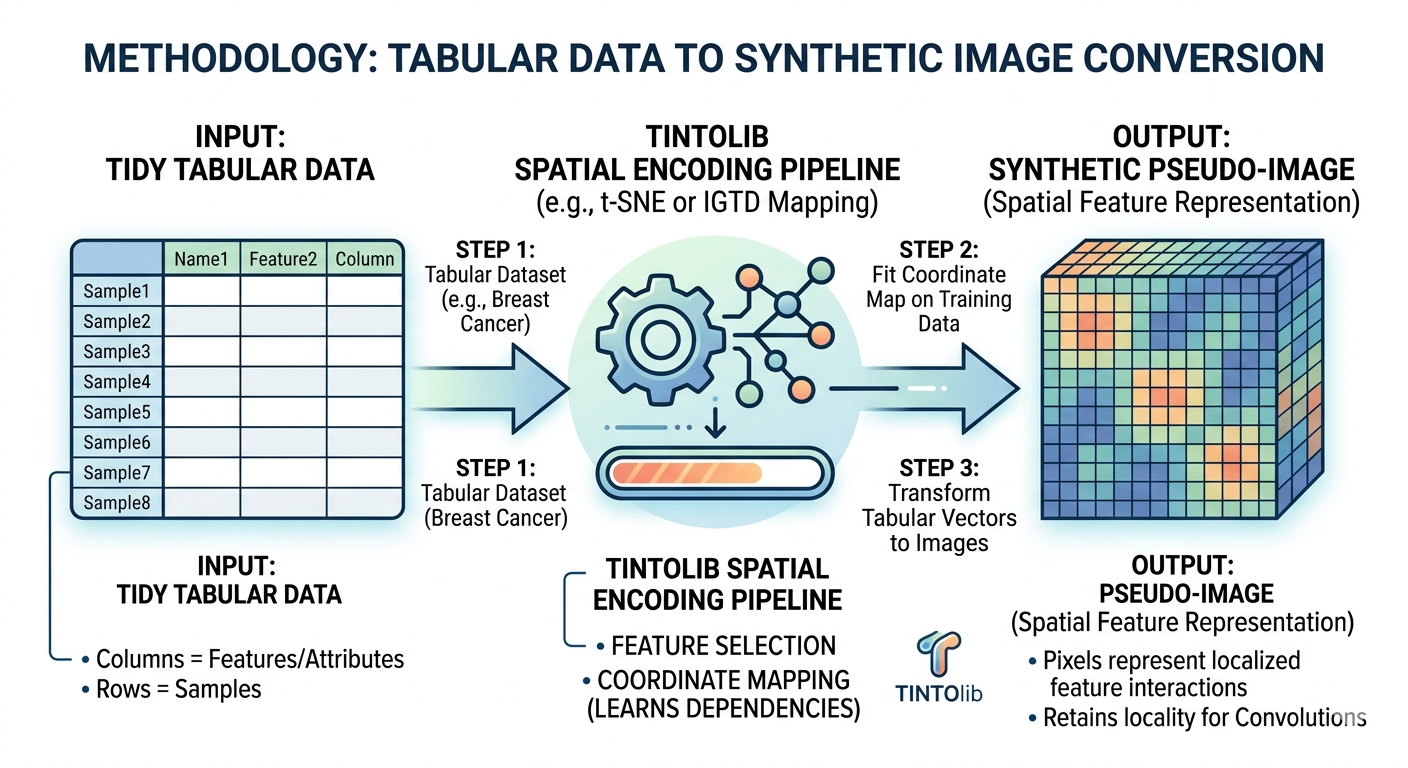
A practical and methodological comparison of TINTO, REFINED and IGTD for transforming tabular data into synthetic images and applying vision-based deep learning models.

More information
Improving Deep Learning by Exploiting Synthetic Images — Part II: From Synthetic Images to Hybrid Neural Networks

Improving Deep Learning by Exploiting Synthetic Images — Part II: From Synthetic Images to Hybrid Neural Networks

17 minuto de lectura

Actualizado:

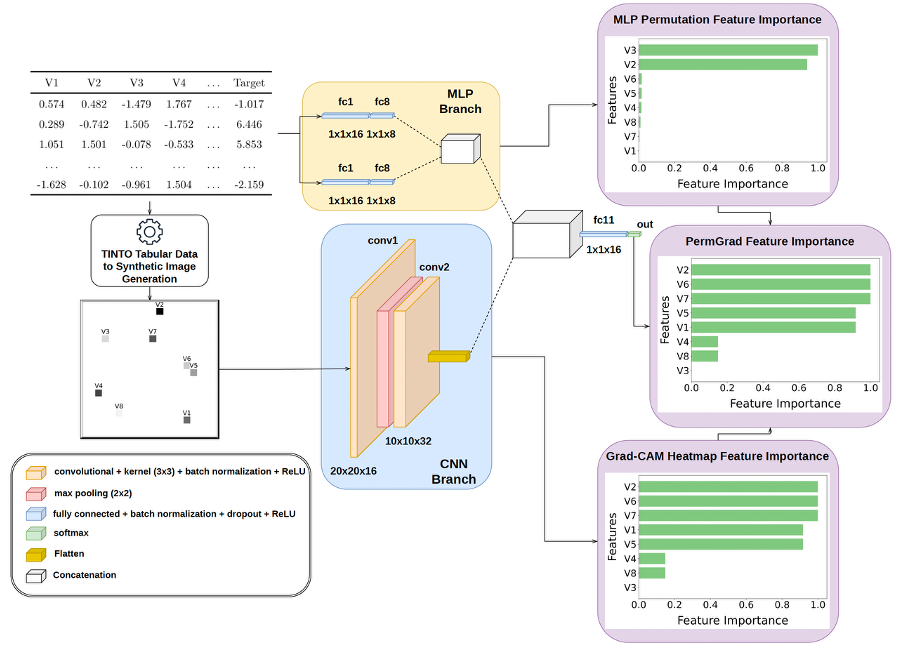
How TINTOlib transforms tabular data into synthetic images, which spatial encoding methods should be preferred, and how hybrid neural networks and explainable AI complete the modelling pipeline.

More information
Improving Deep Learning by Exploiting Synthetic Images — Part I: Why Tabular Data Needs Spatial Representations

Improving Deep Learning by Exploiting Synthetic Images — Part I: Why Tabular Data Needs Spatial Representations

16 minuto de lectura

Actualizado:

Why deep learning still struggles with tabular data, and why synthetic image representations provide a promising bridge between structured data and computer vision architectures.

More information
What is TINTOlib and why should we transform tabular data into synthetic images?

What is TINTOlib and why should we transform tabular data into synthetic images?

20 minuto de lectura

Actualizado:

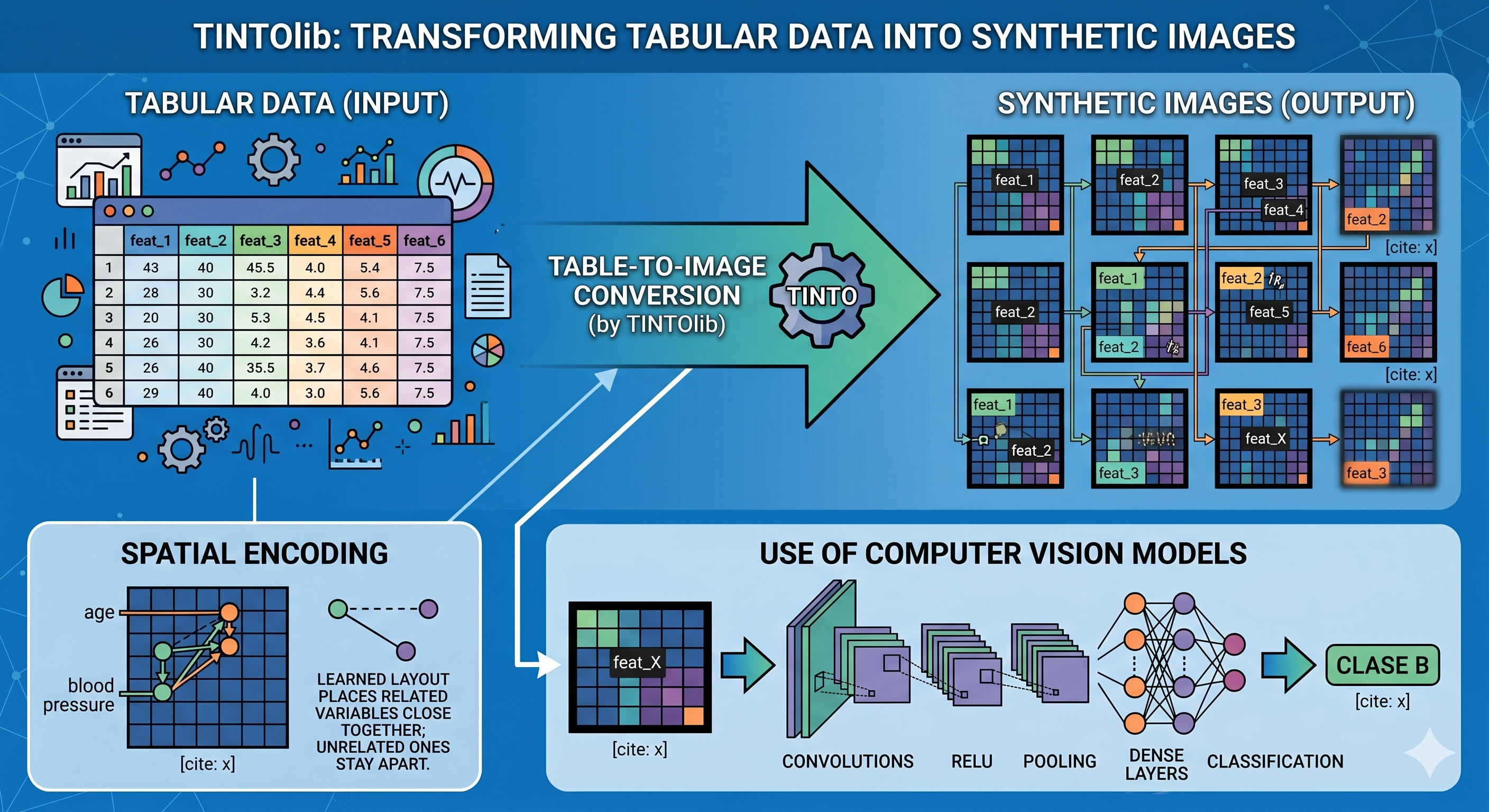
An introduction to TINTOlib: why tabular data requires spatial encoding, how to generate synthetic images avoiding data leakage, and a complete end-to-end CNN pipeline in PyTorch.

More information
Introduction to TINTOlib: Unlocking the Power of Vision Architectures for Tabular Data

Introduction to TINTOlib: Unlocking the Power of Vision Architectures for Tabular Data

9 minuto de lectura

Actualizado:

Technical introduction to TINTOlib, a Python framework for transforming tabular data into synthetic images and applying CNN-based deep learning architectures.

More information